
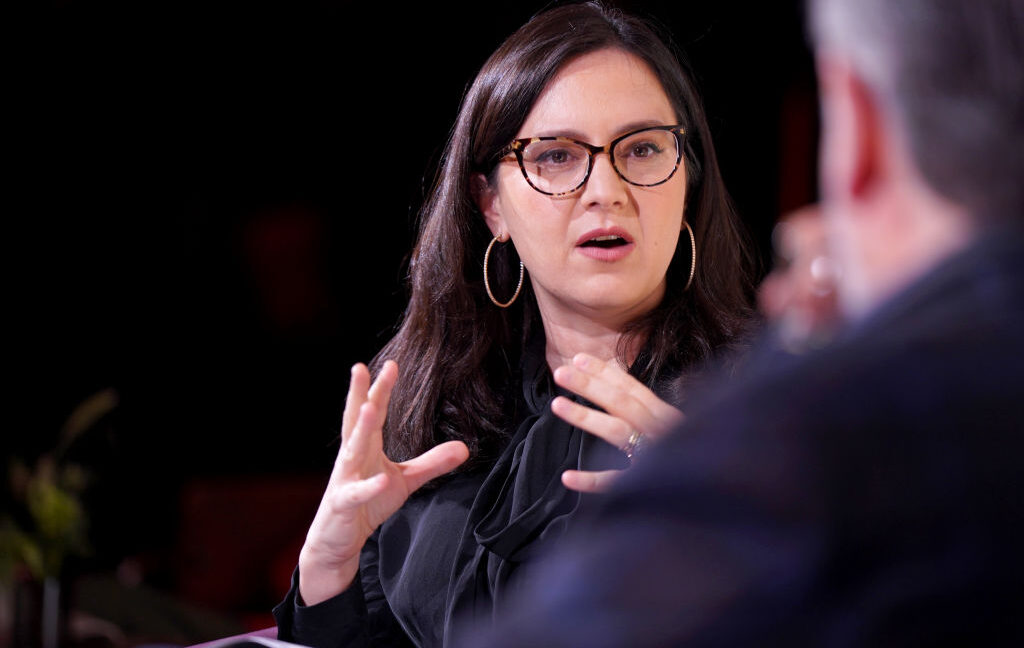
CBS’s decision to pull a “60 Minutes” segment investigating alleged abuses at El Salvador’s CECOT prison sparked widespread criticism and debate about media independence and possible political influence on editorial choices. Bari Weiss, CBS’s recently appointed editor-in-chief, blocked the episode from US airing, citing a lack of responses from Trump officials—a move viewed by critics as censorship and a dangerous precedent, as it could allow government silence to suppress inconvenient reporting. Despite CBS’s efforts, the segment became widely available online through overseas streaming and viral file-sharing, including the revival of LimeWire, an old peer-to-peer service, illustrating how modern audiences use technology to circumvent perceived media suppression. This episode highlights public concern about transparency, editorial integrity in news organizations, and how digital platforms can empower citizens to access information even when traditional channels are restrained.
Read the News behind this article:Link


