
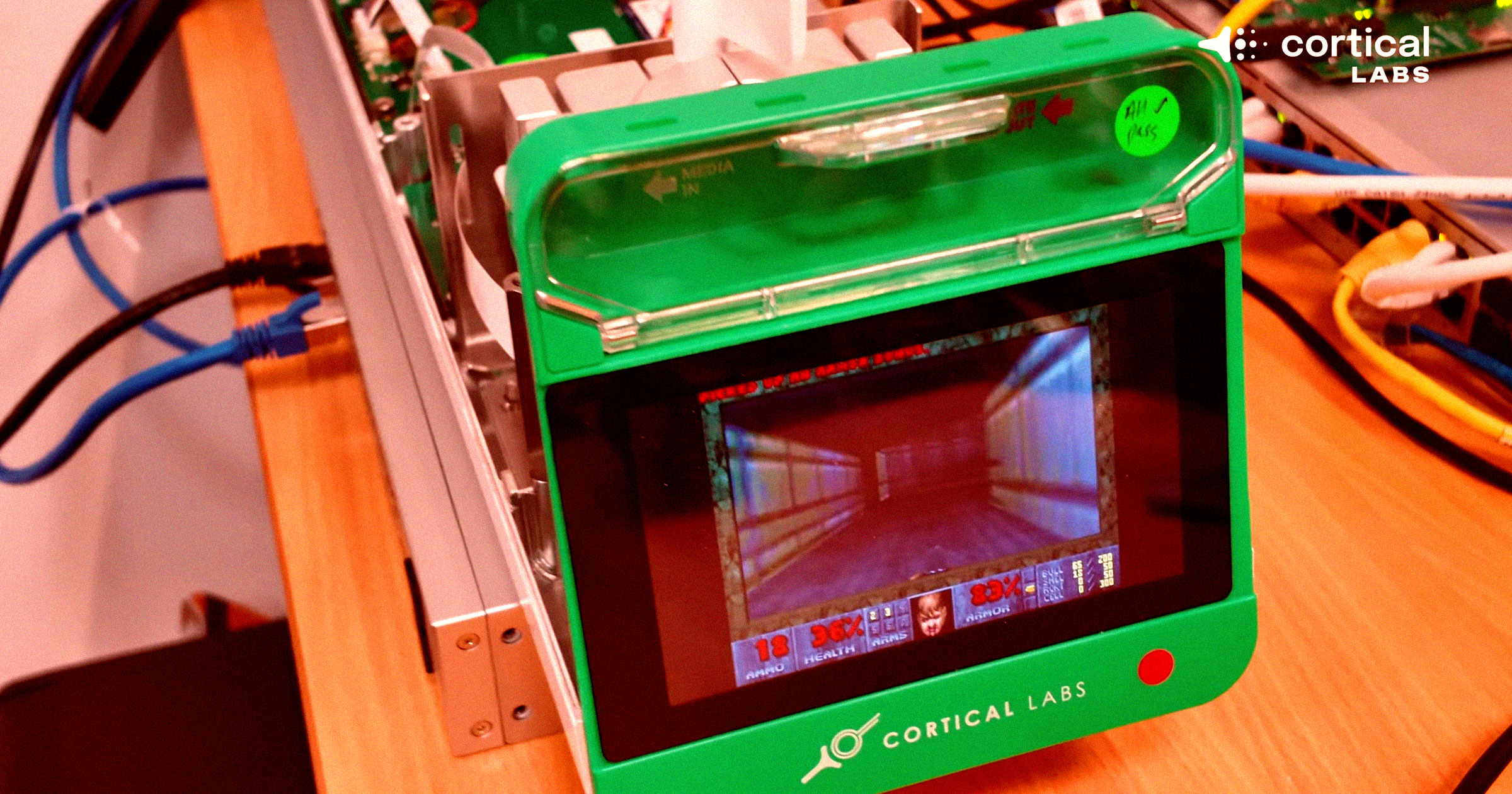
Researchers at Cortical Labs have successfully trained clusters of living human brain cells—so-called “mini-brains”—to play the video game Doom. Building on their earlier work teaching these neurons to play Pong, the team adapted the much more complex 3D environment of Doom by translating game information into electrical stimuli that the neurons could process. The cells responded by producing specific patterns of activity that corresponded to in-game actions like shooting or moving.
This experiment demonstrates that biological neurons can engage in adaptive learning and decision-making, offering a unique form of information processing not achievable by traditional silicon chips. Although the neurons currently perform at a very basic level, the work lays the foundation for more sophisticated applications in the future, such as controlling robotic devices.
The demonstration raises significant questions about the ethical use of living tissue in computing, as well as prompting both fascination and unease among the public. While it is unclear exactly how these cells “understand” or interact with the game, the advance highlights both the rapid pace of bio-computing technology and its potential to expand our understanding of learning, intelligence, and the boundaries between biological and machine-based computing.
Read the News behind this article:Link


